

















































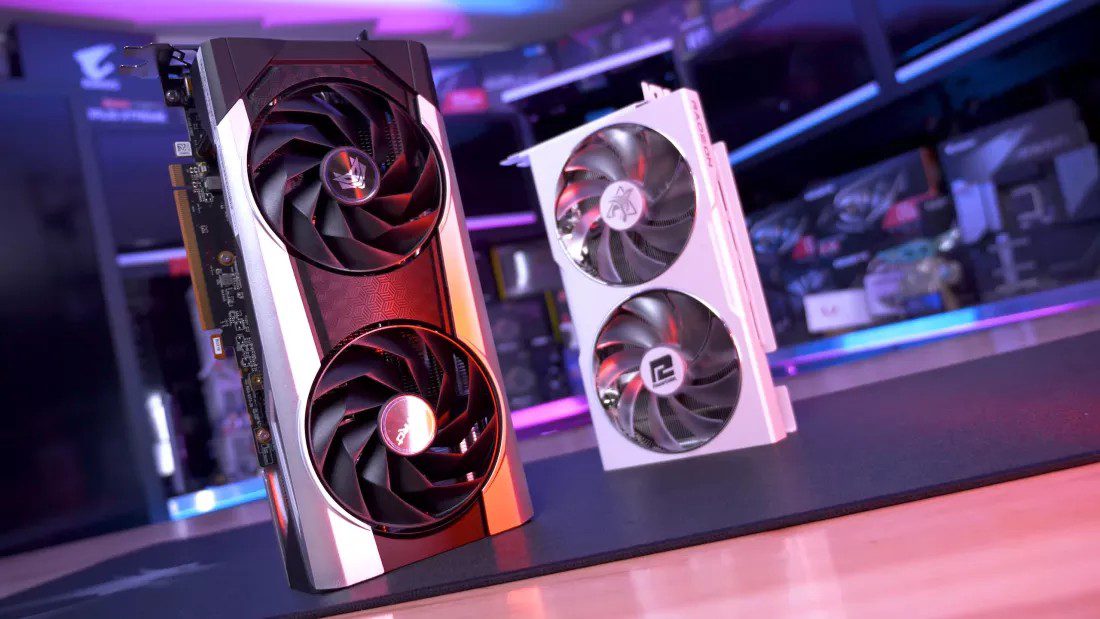
AMD Radeon RX 6650 XT Review
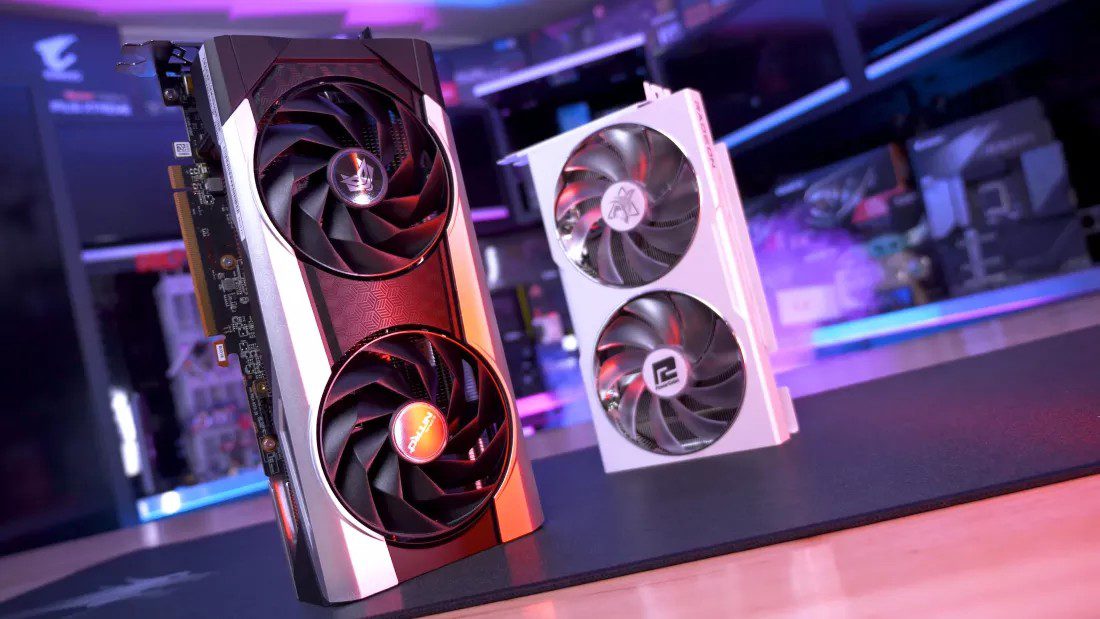 AMD launched this week a refreshed Radeon RX 6650 XT, which is simply an overclocked 6600 XT with faster memory. The cores are clocked ~2% higher and the GDDR6 memory is 9% faster, both of which have increased the board power rating by 13% to 180 watts.
Now you might think, a slightly faster 6600 XT isn't a bad thing, even if it's only ~5% faster. However, the 6600 XT is nearly a year old and it was a late release in the cycle. The first RDNA2 GPUs arrived in November 2020 and we're expecting RDNA3-based products to land before the end of this year. That means an effective 6600 XT replacement is about 12 months away.
AMD launched this week a refreshed Radeon RX 6650 XT, which is simply an overclocked 6600 XT with faster memory. The cores are clocked ~2% higher and the GDDR6 memory is 9% faster, both of which have increased the board power rating by 13% to 180 watts.
Now you might think, a slightly faster 6600 XT isn't a bad thing, even if it's only ~5% faster. However, the 6600 XT is nearly a year old and it was a late release in the cycle. The first RDNA2 GPUs arrived in November 2020 and we're expecting RDNA3-based products to land before the end of this year. That means an effective 6600 XT replacement is about 12 months away.
 Even in this scenario, an extra 5-10% performance could be welcomed if free, but that's not the case. Despite the sharp downturn in graphics card pricing (back to normalcy), in a baffling move AMD decided to refresh much of their existing RDNA2 lineup while jacking up pricing in the process.
Admittedly, going from $380 to $400 is not a huge increase for the RX 6650 XT. Then the 6750 XT and 6950 XT price hikes are even worse, but we'll cover those products in another review later on.
You would think that a company struggling to win over gamers to the Radeon brand would prefer to retain some credibility by honoring the original MSRP -- and don't tell me they can't -- as they're essentially doing it already with the 6600 XT now available for just above the $380 MSRP.
Even in this scenario, an extra 5-10% performance could be welcomed if free, but that's not the case. Despite the sharp downturn in graphics card pricing (back to normalcy), in a baffling move AMD decided to refresh much of their existing RDNA2 lineup while jacking up pricing in the process.
Admittedly, going from $380 to $400 is not a huge increase for the RX 6650 XT. Then the 6750 XT and 6950 XT price hikes are even worse, but we'll cover those products in another review later on.
You would think that a company struggling to win over gamers to the Radeon brand would prefer to retain some credibility by honoring the original MSRP -- and don't tell me they can't -- as they're essentially doing it already with the 6600 XT now available for just above the $380 MSRP.
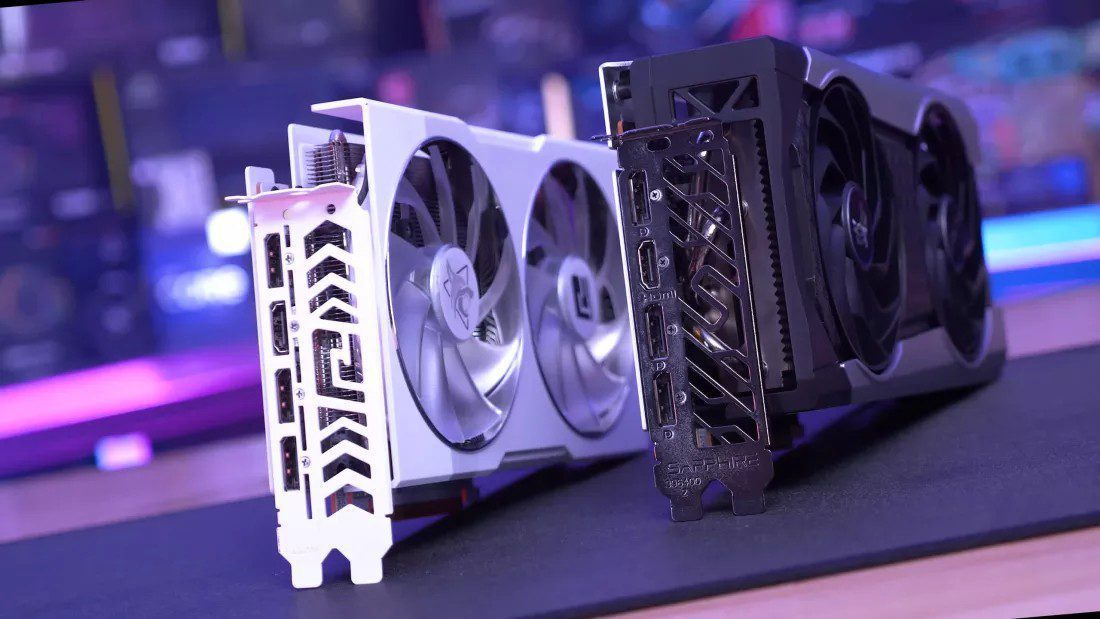
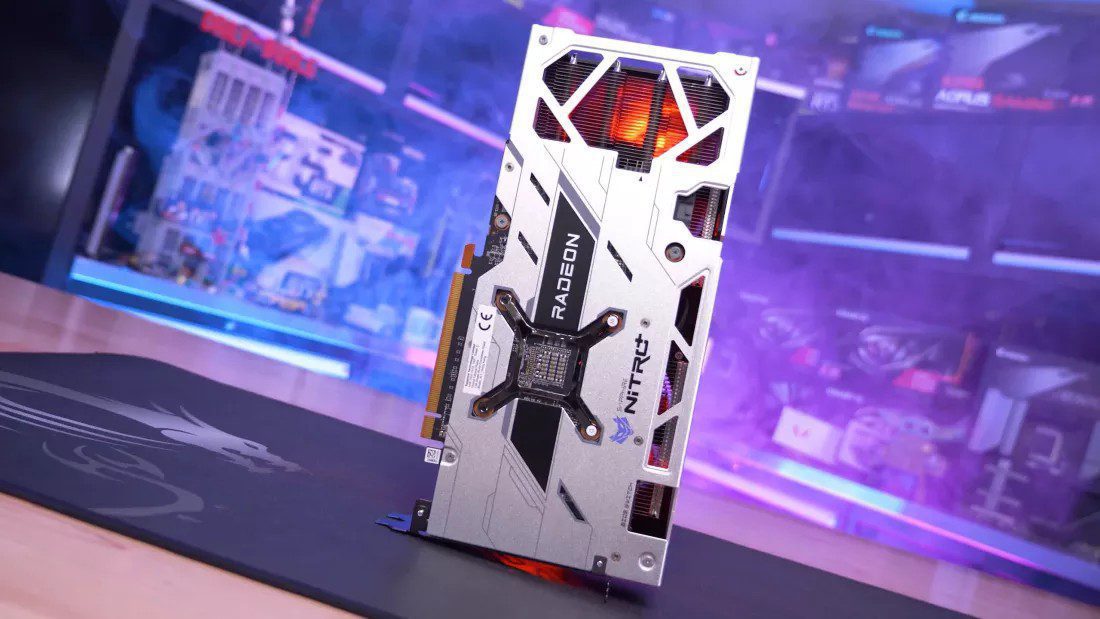 We'll discuss pricing some more towards the closing of the review. For now let's check out performance to see if the Radeon RX 6650 XT has any surprises for us. On hand for testing we have the PowerColor Hellhound Spectral White and Sapphire Nitro+ models and we've used the Spectral White to represent 6650 XT performance.
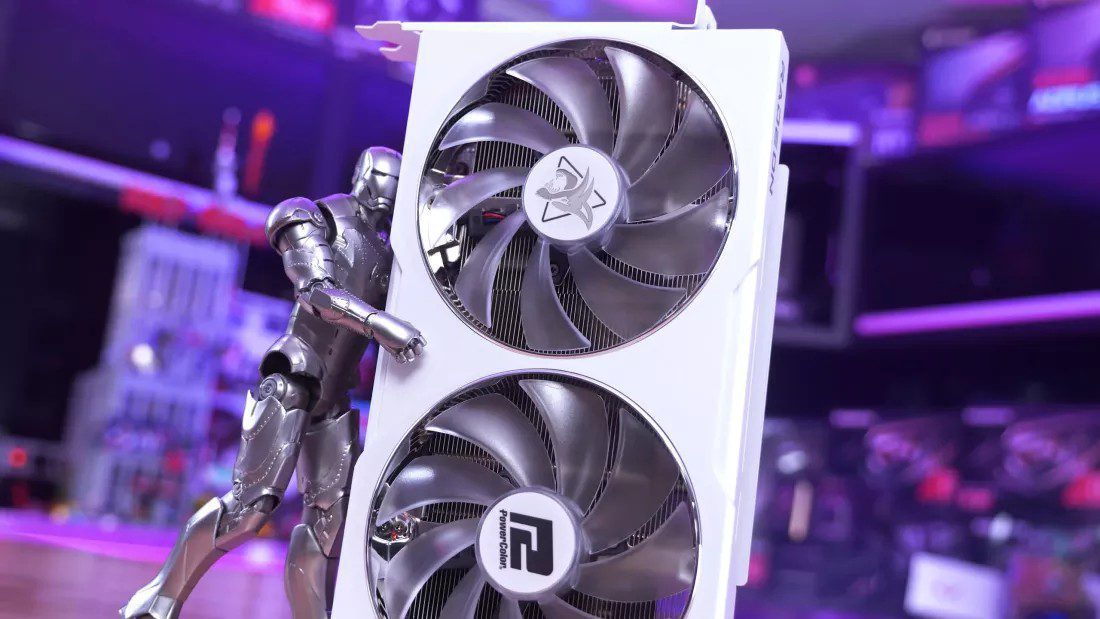 All AMD and Nvidia GPUs have been tested at the official clock specifications, so no factory overclocking. All the data in this review is fresh and was gathered in the past week using the Ryzen 7 5800X3D with 32GB of dual-rank, dual-channel DDR4-3200 CL14 memory on the Asus ROG Crosshair VIII Extreme using the latest BIOS supporting the AGESA 1207 microcode. We've tested 10 games at 1080p and 1440p, so let's get into the data.
Benchmarks
Starting with Tom Clancy's Rainbow Six Extraction, we see a 6% performance jump from the 6600 XT to the 6650 XT, about what we were expecting to see. This allowed the 6650 XT to match the RTX 3060, not exactly an exciting increase and if it were free we'd take it.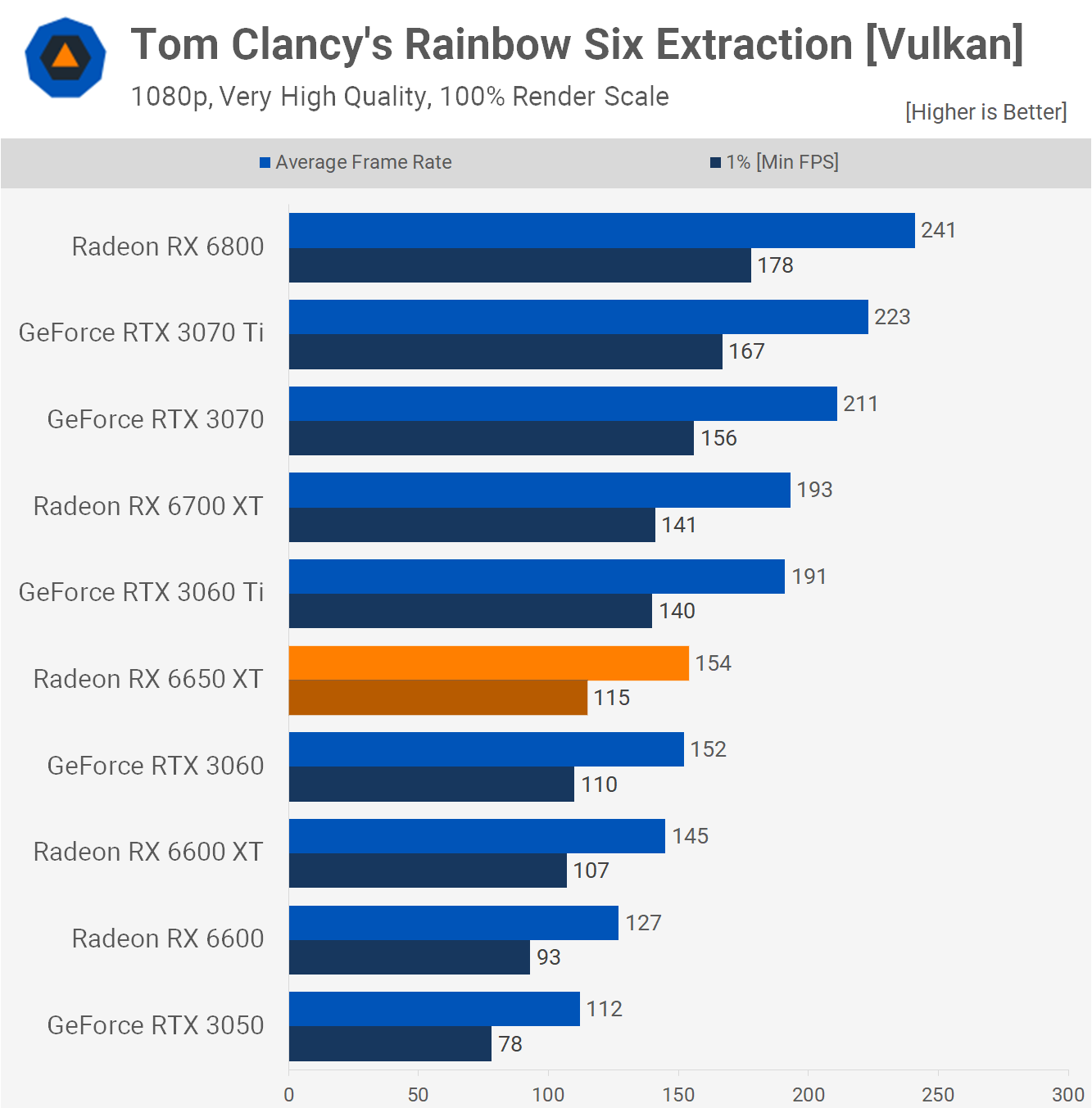
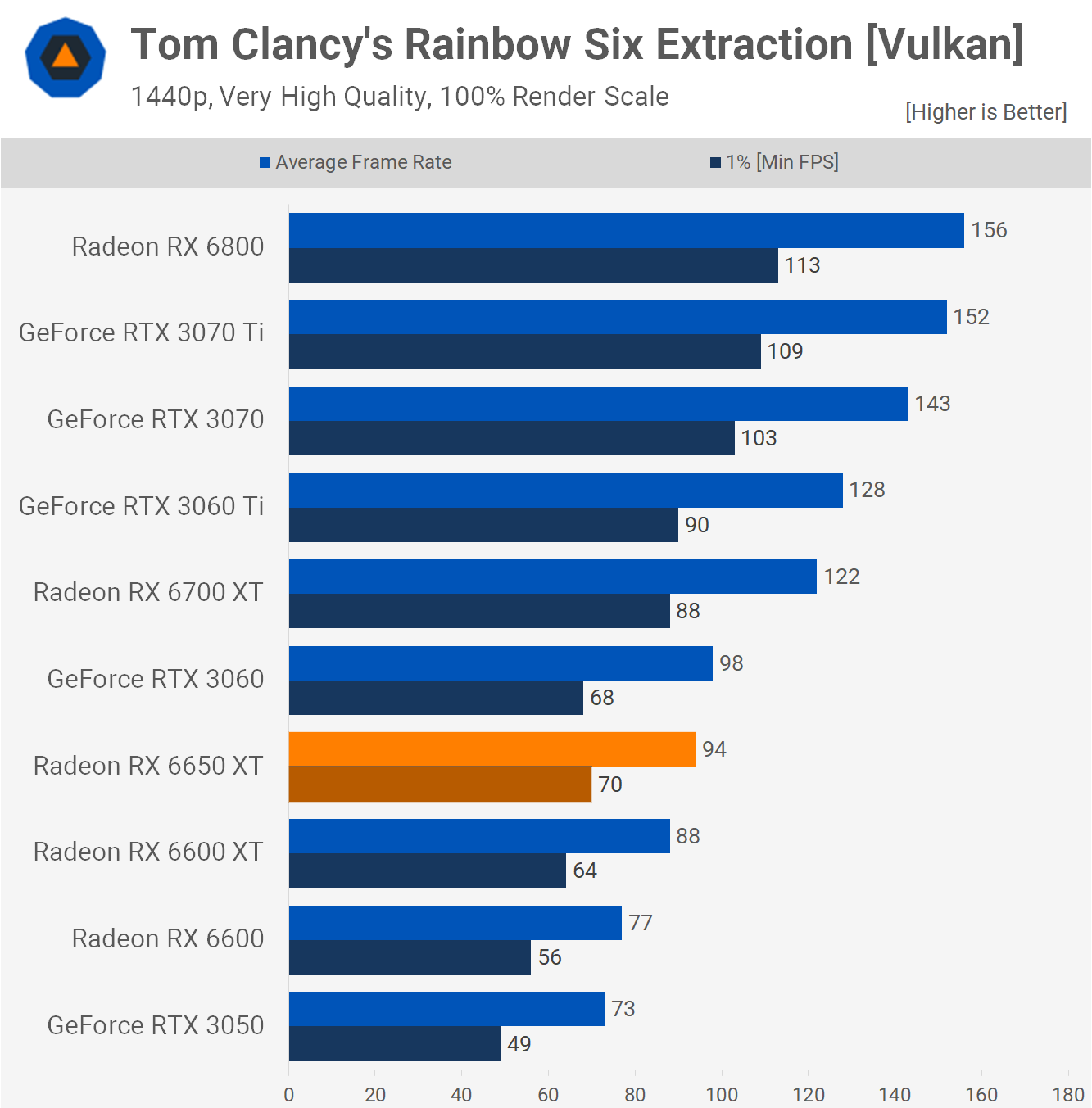 The RTX 3060 still maintained its small lead at 1440p and this time we're looking at a 7% increase for the 6650 XT over the original 6600 XT.


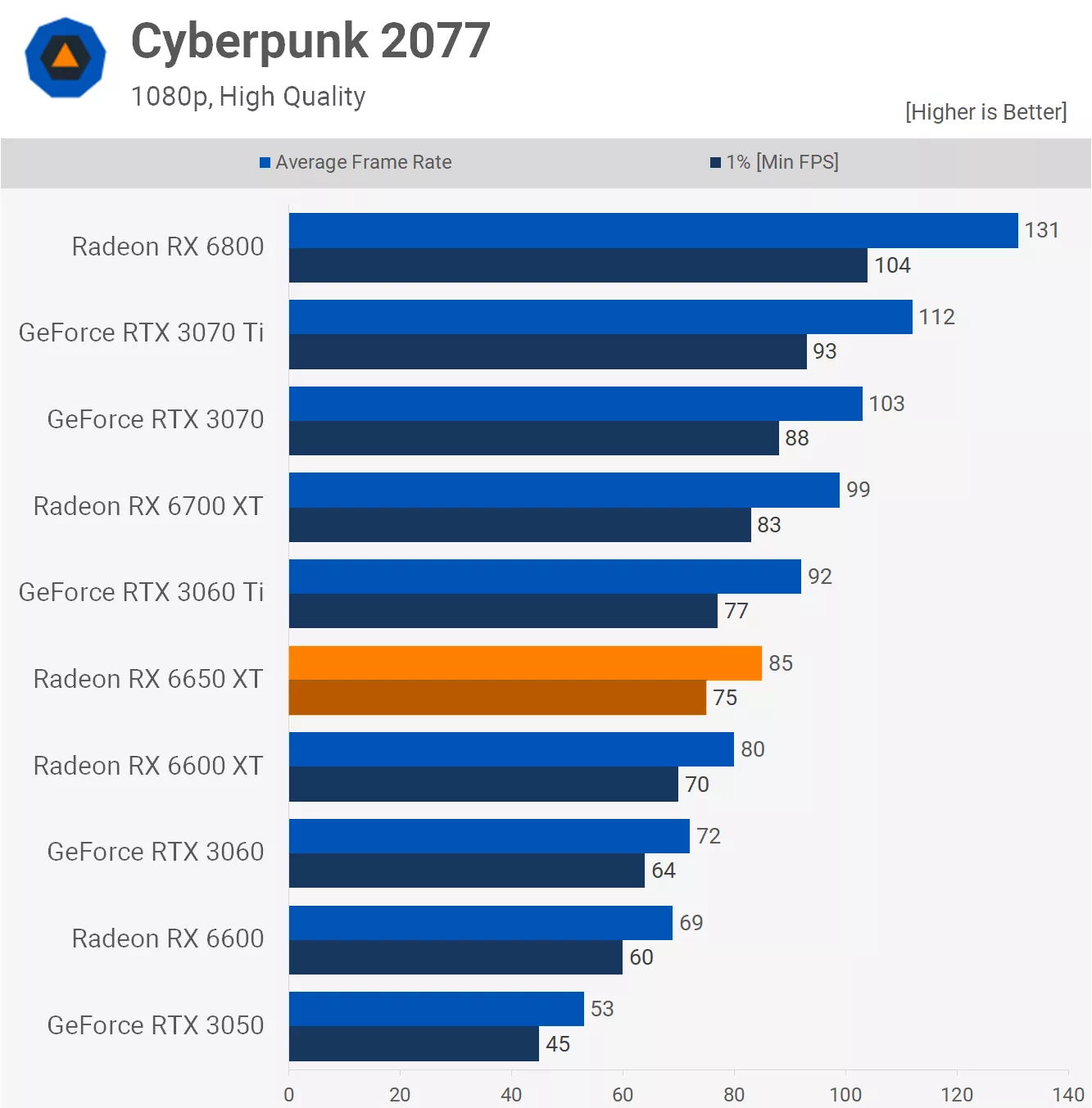


When it comes to power consumption, the 6650 XT is quite efficient, only increasing total system usage by 2% from the 6600 XT, and that meant power usage was 5% less than that of the RTX 3060. So not a significant difference when compared to the GeForce competition, but the 6650 XT was faster while using less power.
Performance Summary
In terms of performance, the Radeon RX 6650 XT looked good compared to the RTX 3060 across the 10 games tested, but wasn't exactly exciting sitting next to the 6600 XT. Anyway, to get a good idea of how they stack up let's take a look at the 10 game average before moving into our cost per frame analysis…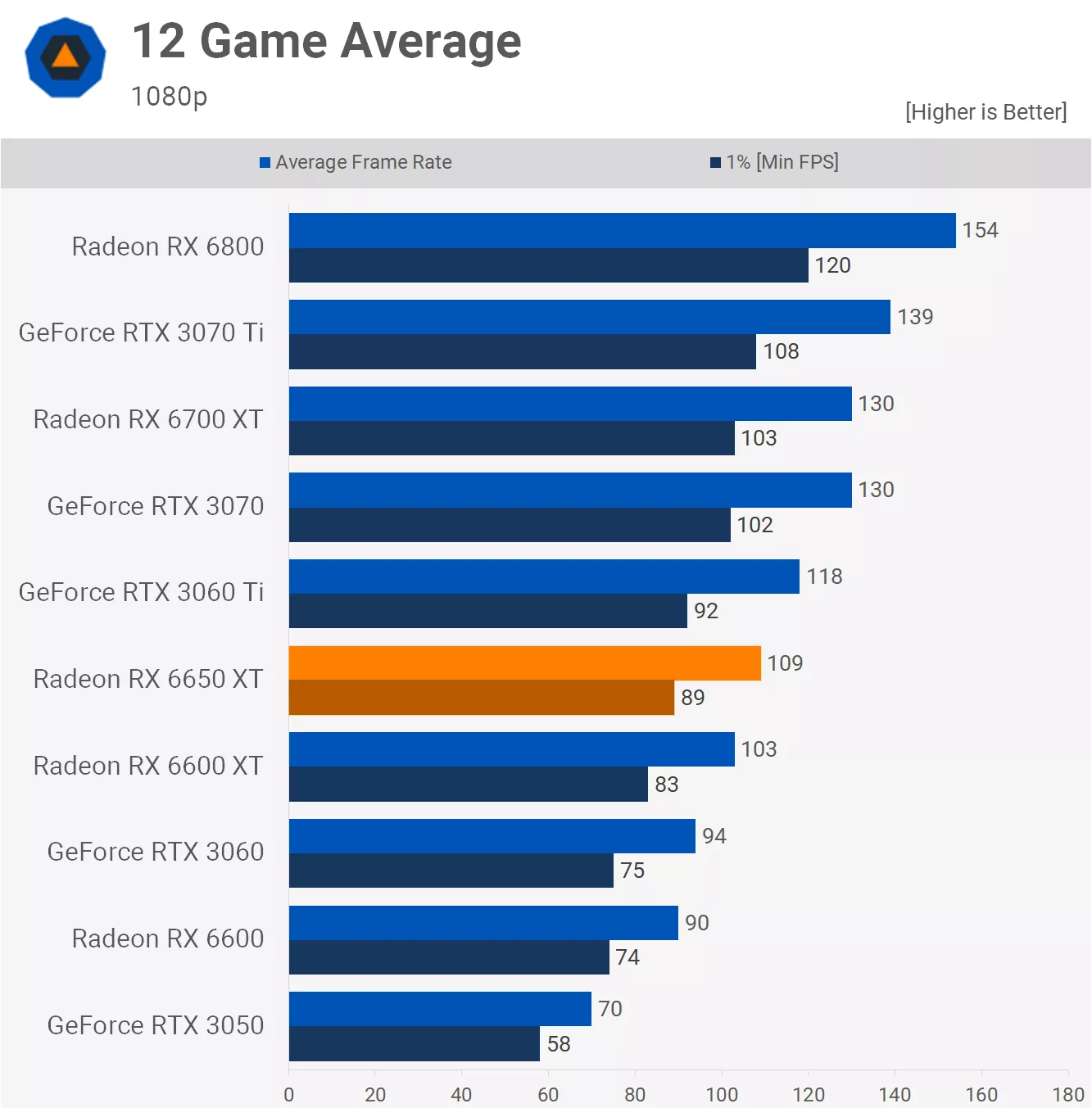
At 1080p the 6650 XT was on average 6% faster than the 6600 XT, exactly what we expected to see based on the specs. Given the MSRP has increased by 5%, getting 6% more performance on average makes this somewhat of a pointless release in our opinion.
It's worth noting that in our recent 50 game head-to-head comparison between the 6600 XT and RTX 3060, the Radeon GPU was 3% faster at 1080p, yet here it is 10% faster which is quite a big difference. There are a few reasons for this discrepancy.
First, Nvidia does a better job of optimizing performance across a wide range of games, thanks to a much larger operating budget. The 50 game test also included a few ray tracing enabled tests, most notably Metro Exodus Enhanced and Resident Evil Village, where the 6600 XT was over 20% slower. Additionally, there were also 17 games where the margin was 3% or less and this reduces the significance of big wins in titles such as Watch Dogs Legion, for example.
Ideally, we'd have gathered the 50 game data before we updated all our testing with the 5800X3D, so we could have selected the 10 titles more neutrally. This is something we'll look to optimize over the coming weeks, but for now just keep in mind that the 10 game sample is a bit more favorable towards AMD compared to the big 50 game benchmarks.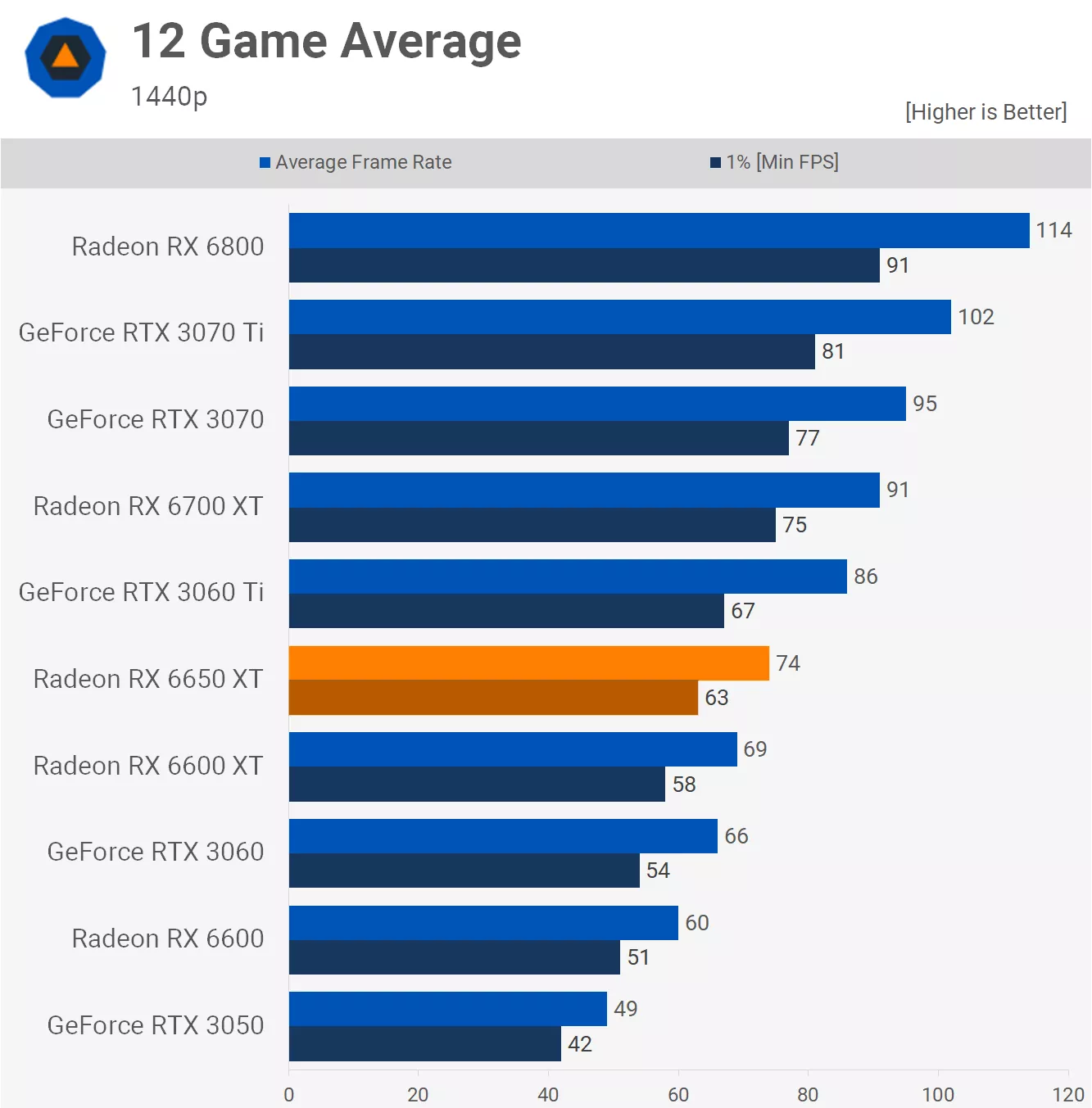
The 6600 XT is just 5% faster than the RTX 3060 at 1440p and the 6650 XT increased that margin to 12%, so a decent performance advantage, especially given the Radeon GPUs are cheaper right now. So let's move on to take a look at that...
Cost Per Frame
Time to look at current pricing and break down the cost per frame. We've included the 6650 XT at the $400 MSRP, but since the 6600 XT is currently selling for $400 and the 6650 XT is meant to be $20 more, it makes sense to compare the new GPU at a $20 premium, so $420...
Assuming the 6650 XT does come in at $420, that would make it virtually identical to the 6600 XT in terms of cost per frame. Considering it's meant to be a 5% price increase, that makes sense for an average 6% more performance, according to our data.
That places it on par with the cost per frame of the 6700 XT which is currently at $500 and a few percent more expensive than the RX 6600 per frame.
When compared to Nvidia's offerings, the 6650 XT looks great and that's largely helped by a recent increase in price for the RTX 3060. When we looked at RTX 3060 pricing last time, there were a few models down around $400, but those are nowhere to be found all of a sudden, making those GPUs more expensive on a per frame basis as well. But of course, this will definitely vary from country to country.
Moving to 1440p paints a prettier picture for the 6650 XT as here it was 9% faster than the 6600 XT on average, and this reduced the cost per frame at $420 to $6.66. That's a 3% saving from the original 6600 XT... amazing deal right?
Basically that brings the 6650 XT inline with the 6700 XT and 6600 and that means it's better value than the RTX 3060 at $480, which amounts to a 25% saving when comparing cost per frame.
Cooling
We received two Radeon 6650 XT models and we wanted to briefly discuss their thermal performance, starting with the PowerColor Hellhound Spectral White. This model saw a peak temperature of just 62C after an hour-long loop of the F1 2021 benchmark and that's particularly impressive given the fans only spun at 1150 RPM, resulting in a virtually silent graphics card that couldn't be heard over our case fans.

The other model we have on hand is the Sapphire Nitro+ which is physically a much larger card, though it still only has two fans. This model also peaked at 62C, though remarkably it did so with a fan speed of just 750 RPM, and this is about as close to silent as you'll get with an actively cooled graphics card.
As for the clock speed, the cores clocked at 2715 MHz on average with the memory at 2178 MHz, which results in the same 17.42 Gbps transfer speed.
What We Learned
The Radeon RX 6650 XT is a non-event. It is a little faster, which is nice, but it also costs a little more, so ultimately who cares? It barely strengthens AMD's position. In terms of cost per frame, it's a few percent better than what we already had, but realistically what the 6650 XT offers was only a mild overclock away with the 6600 XT.


In a matter of a month, the 6700 XT went from 20% cheaper than the RTX 3070 to 32% cheaper, that's big price movement for AMD. Before we had said "go with the 6700 XT" due to the savings, but today there's no question we'd purchase the 6700 XT over the RTX 3070. Likewise, we'd purchase the new 6650 XT over the RTX 3060 if that's the pricing difference you see in your region.
Ultimately, the Radeon 6650 XT's release doesn't make any difference and it's just more of the same.
What does make a difference is that the RX 6600 series is down near the MSRP... not amazing news for a year-old product, but it's amazing given what those last 12 months have looked like for PC gamers and prospective GPU buyers.





