Gaming king?
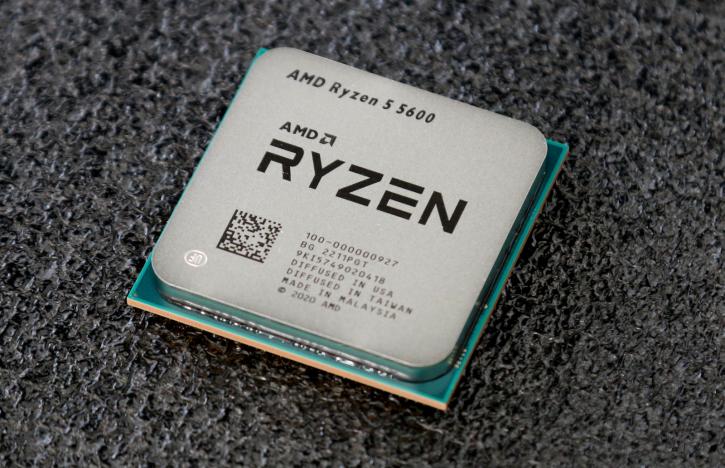
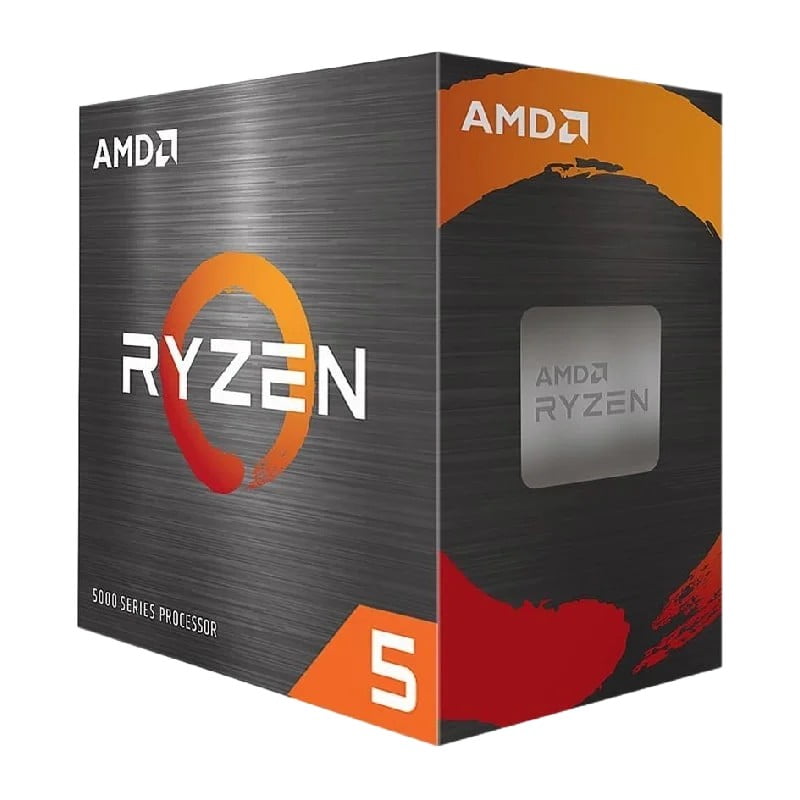
There has been extensive discussion surrounding the Ryzen 5000, formerly known as ZEN3. AMD has demonstrated impressive single and multi-threaded performance, but has faced challenges with high FPS and CPU-bound games. This issue cannot be solely attributed to the processor itself, as the gaming industry has long favored Intel and optimized their processors accordingly. The architectural design of AMD's ZEN and ZEN2 processors, specifically the cluster design, has presented certain disadvantages. Each processor die contains 8 cores, organized into two groups of four cores. This clustering results in latency issues between the two 4-core partitions, contributing to the gaming performance gap. To address this challenge, there are two primary approaches. The first involves enhancing IPC (instructions per clock) performance through more efficient buffers and caches, thereby improving core performance. Alternatively, a strategy employed by Intel is to maximize clock frequency. While Intel excels in high turbo clock frequencies, AMD has traditionally focused on strong IPC performance. While AMD processors do not underperform in games, they have struggled to surpass Intel in extreme scenarios such as CPU-bound games with high FPS. This has led to a reputation challenge for AMD, as enthusiasts often prioritize gaming performance when evaluating processors. Despite the overall quality of AMD's processor series and infrastructure, the comparison to Intel's gaming performance remains a key consideration for many users. This article employs a foundational storyline for all our evaluations of the Ryzen 5000 processors. In this piece, we examine: We will provide a comprehensive analysis in the following pages. The Ryzen 3000 series 5, 7, and 9 processors offer six to sixteen cores and are competitively priced, delivering a significant performance boost compared to the previous generation products.