ZEN3 series processors.
AMD recently unveiled its first ZEN3 based Ryzen 5000 processors. This piece will delve into the details of the announcement and provide insights into what we can anticipate in the coming weeks. Naturally, this will also include a series of tests and benchmarks. AMD has been teasing ZEN3 with a sense of satisfaction for quite some time now, and it appears that their confidence is well-founded. ZEN was impressive, ZEN2 was highly regarded, and ZEN3 is undeniably exceptional. ZEN serves as the codename for the processor architecture. ZEN3 boasts an updated architecture with improved IPC (instructions per clock) performance, along with the familiar chiplet designs that result in enhanced yields. AMD has consistently pushed the boundaries of chip-fabrication foundries, and it's evident that 7nm production has been particularly advantageous for the company. The chiplet design has played a significant role in achieving good yields; for instance, when fabricating monolithic chips, only 30 chips may be obtained from a wafer with a 60% yield, resulting in 18 functional dies. However, by utilizing chiplets (multiple chips per package), approximately 200 chips can be fabricated per wafer. With the same yield ratio, this approach yields 120 functional dies. This is one of the key factors contributing to AMD's recent accomplishments.Gaming and performance king?
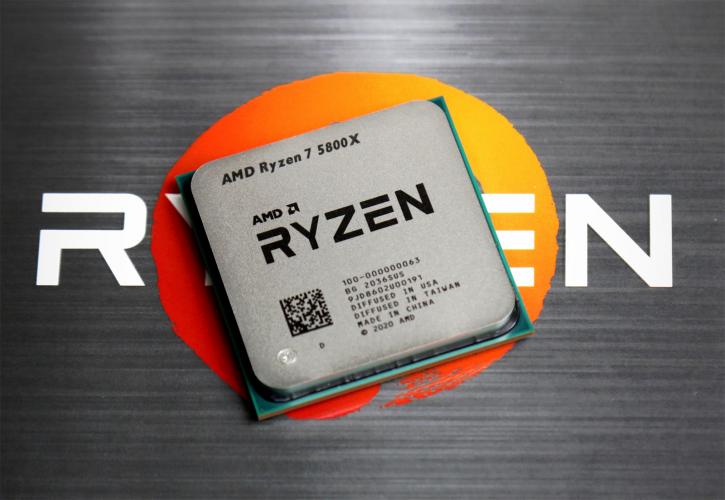
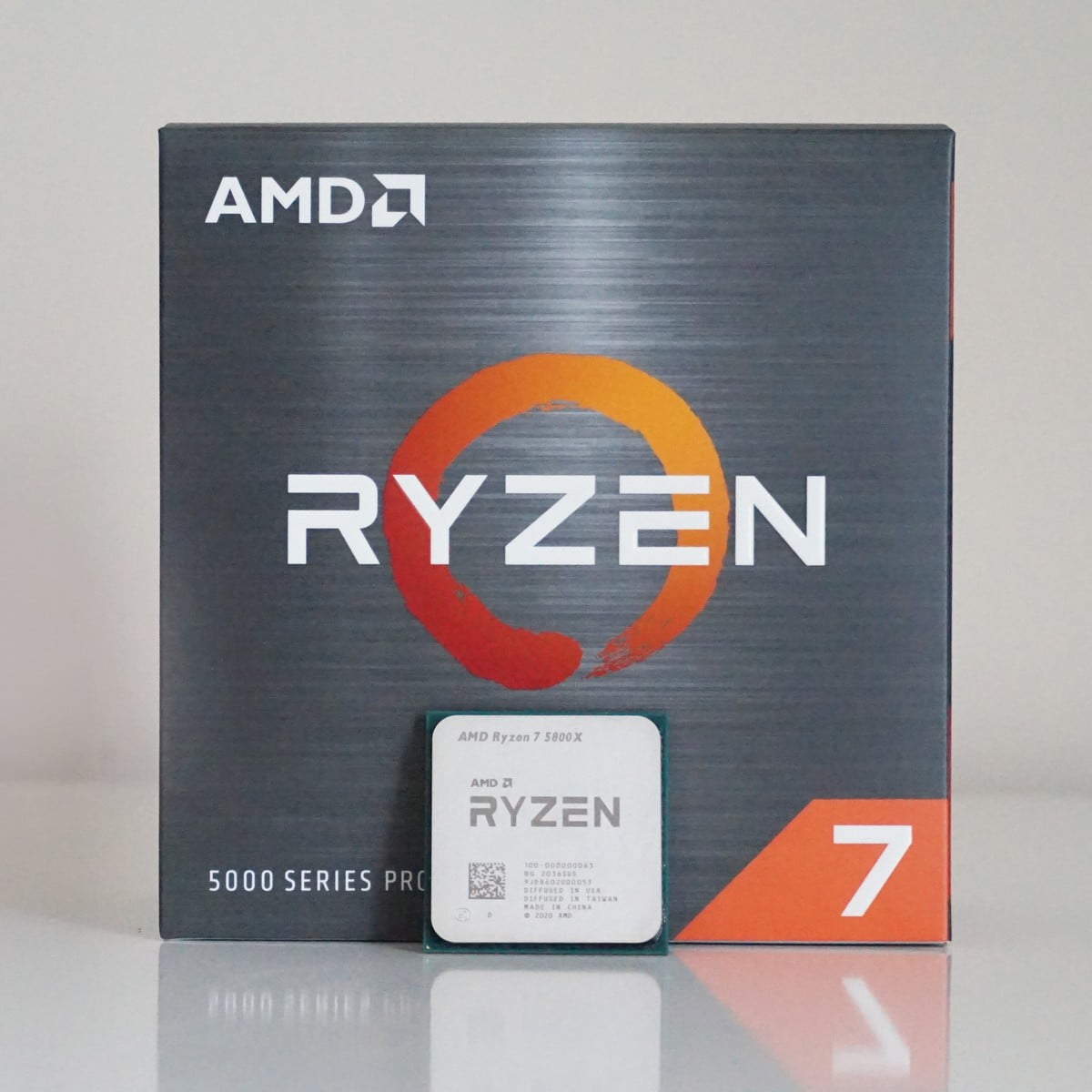
A great deal has been discussed and debated regarding Ryzen 5000, also known as ZEN3 in the past; AMD's single and multi-threaded performance has been generally impressive, but it has faced challenges with high FPS and CPU bound games. This issue is not solely attributed to the processor, as the gaming industry has heavily favored Intel for the past decade and optimized their processors accordingly. The architectural disadvantages in AMD's processor design, particularly the cluster design, have contributed to this. Both the ZEN and ZEN2 processor dies contain 8-cores, which are clustered in two groups of four. This clustering has resulted in latency issues, which have impacted gaming performance. The solution to this issue typically involves increasing IPC and raising clock frequency. Intel excels in high turbo clock frequencies, while AMD has been strong in IPC. However, AMD has struggled to surpass Intel in extreme gaming situations, leading to a reputation and stigma that has affected the perception of their processors. Despite the overall performance of AMD processors, the comparison to Intel in gaming performance remains a significant concern for enthusiasts. This article employs a foundational storyline for all evaluations of our Ryzen 5000 processors. Within this piece, we conduct thorough testing on: The Ryzen 7 5800X, which features 8 cores and 16 threads, is available for purchase at a price of 449 US dollars. Further information will be provided in the subsequent pages. The Ryzen 3000 series processors, ranging from 5 to 9, feature six to sixteen cores and offer competitive pricing along with a significant performance boost compared to the previous generation products.