

















































A Comparative Analysis of Core i7 Laptop Processors
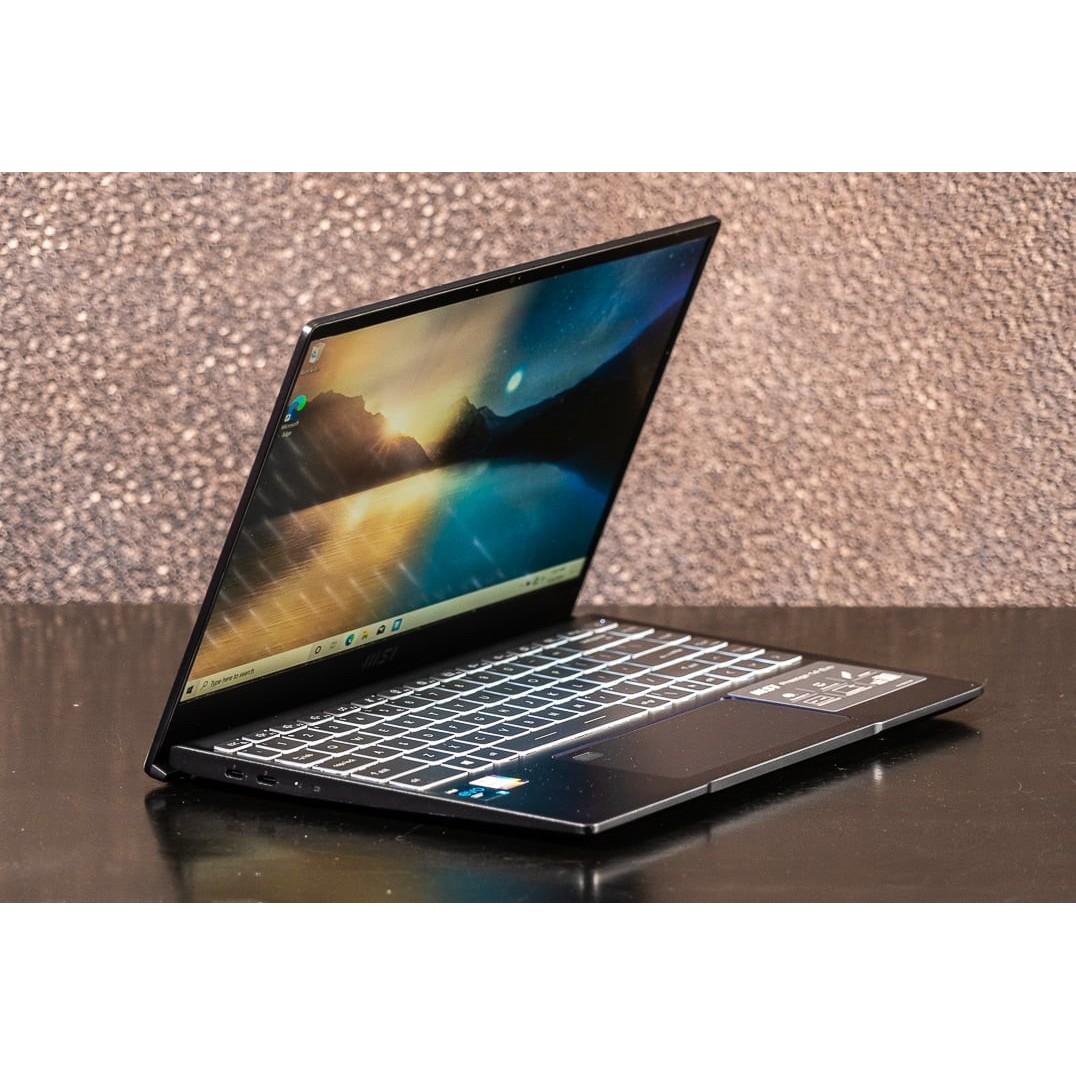
In this comparison, we assessed the capabilities of Intel's premier Core i7 model tailored for thin-and-light laptops, specifically the Core i7-1195G7, against the performance of the next tier down in the 11th Generation series, the Core i7-1185G7. The Core i7-1195G7 is a multithreaded processor featuring four cores and eight threads. It operates at a base clock speed of 1.3GHz in its lowest thermal design power (TDP) configuration, with the potential to reach a maximum turbo frequency of 5GHz on a single core when applications require additional processing power for brief intervals. The Core i7-1185G7, which is a lower-tier model, features an identical count of cores and threads; however, it operates at marginally reduced clock speeds. Its base clock frequency is set at 1.2GHz under the lowest thermal design power (TDP), while it can reach a maximum of 4.8GHz when utilizing turbo mode. Currently, only a limited number of laptop manufacturers provide the option of selecting between two closely related chips within the same Core family in a single laptop chassis, primarily due to the similarities in their capabilities. However, when presented with this choice, it is beneficial to understand when a higher-clocked chip is advantageous and when it may be unnecessary. In our evaluations, we had the unique opportunity to examine the same CPUs across not just two, but three versions of the same laptop, which is a rare circumstance that allows for a more consistent testing environment. (Testing CPUs across different laptop models typically involves numerous challenges, as factors such as thermal solutions, chassis design, and various other uncontrollable variables come into play.) Regarding the third iteration, we are incorporating the Core i7-10710U as a representative of the premier model from the prior 10th Generation ("Comet Lake-U") series. This processor boasts a higher core count (six) and thread count (12) compared to its successors; however, it operates at a lower base clock speed and is constructed on an older 14-nanometer (14nm) architecture. In contrast, the 11th Generation processors utilize Intel's advanced 10nm architecture. It is important to highlight two additional points: Although the Core i7 SKUs exemplify the pinnacle of Intel's offerings for mainstream laptops, there exists a distinct category of Core "H-series" processors specifically engineered for high-performance gaming laptops and mobile workstations. It is unlikely that a particular laptop model will provide an option between the H-series processors and those evaluated in this article within the same chassis. While the H-series processors deliver superior performance, they are incompatible with most mainstream ultraportable designs, which lack the necessary power and thermal management systems to accommodate them. The last consideration, which pertains to heat and power, is that even identical models of the Core i7 CPU may exhibit variations in performance based on the specific laptop. To address the disparities in cooling mechanisms and chassis configurations, Intel permits manufacturers to modify clock speeds and other settings, ensuring that the processors remain cool during intensive tasks, such as video project exports or Zoom calls. As previously mentioned, we had the unique opportunity to examine these three processors in successive iterations of the same laptop model: the MSI Prestige 14. Currently, MSI provides this model with the Core i7-1185G7 and Core i7-1195G7 as available CPU options, in addition to others. Notably, the company also offered a comparable six-core 10th Generation processor in 2020. These are the three configurations that we were able to compare directly.Core i7 Evaluation Findings, Section One: When Clock Speed Takes Precedence
The evaluation of laptop performance is conducted through three distinct criteria. The initial criterion focuses on productivity performance. We utilize the PCMark benchmark suite, which encompasses various real-world productivity and content-creation workflows. This suite allows us to gauge the overall system performance in relation to office-oriented tasks, including word processing, managing spreadsheets, web browsing, and videoconferencing. In the second phase, we conduct simulations of more CPU-demanding tasks, including video format conversion, image editing, and 3D rendering, utilizing applications such as Adobe Photoshop, Maxon Cinebench, and the open-source Handbrake tool. Lastly, we assess graphics performance, which may be of lesser significance for laptops not intended for gaming, yet it still provides insight into the capabilities of a CPU's integrated graphics processor. Below is a summary of our findings. In the first category, it is evident that the results are tightly grouped for both the overall score in PCMark 10 and the storage score in PCMark 8. The storage score generally remains stable across all laptops equipped with SSDs and is not significantly affected by CPU performance. However, in the PCMark 10 assessment, which provides a comprehensive evaluation of laptop performance, the Core i7-1195G7 demonstrates a slight yet noticeable advantage over its predecessor and the Core i7-1185G7. Numerous factors contribute to the outcomes of this test; however, it is probable that the elevated clock speed of the high-end Core i7 plays a significant role in its superior performance. Routine activities such as web browsing and document editing generally require CPU resources in brief intervals, allowing the processor to reach its peak clock speed. In this scenario, the increased speed likely provides a competitive edge, despite the Core i7-1185G7 having an equivalent number of cores. Equally noteworthy is the observation that the 10th Generation Core i7, with its additional cores and threads, did not secure an overwhelming advantage in this assessment.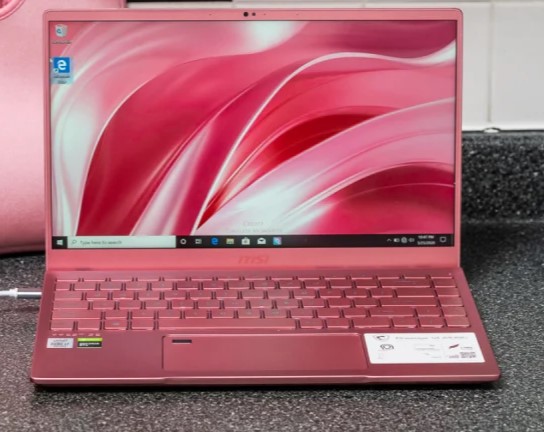 This scenario is mirrored in the more demanding Photoshop evaluation. Once more, the Core i7-1195G7 demonstrates a slight yet noticeable advantage over its smaller counterpart. The CPU operates at full capacity while Photoshop processes each filter, which generally requires a few seconds; however, it remains inactive until the subsequent filter is prepared. This exemplifies the traditional concept of a "bursty" workflow.
Core i7 Evaluation Outcomes, Segment Two: At Times, the Focus is Primarily on the Cores
In the context of the Handbrake and Cinebench evaluations, there are virtually no distinctions between the Core i7-1195G7 and the Core i7-1185G7. For instance, during the Handbrake test, the process of converting a 4K video to 1080p does not resemble a quick burst of activity. Instead, the CPU engages in a consistent workload over an extended duration, approximately 12 minutes in this case. Consequently, it is unable to maintain its peak boost clock speed due to the risk of overheating, leading to a greater reliance on distributing tasks across all available cores. It is also noteworthy that, in this instance, six cores did not outperform four. Several factors contribute to the lack of advantage of the older Core i7-10710U, despite having two additional cores compared to the quad-core Core i7-1185G7 and Core i7-1195G7. One significant factor is its outdated and less sophisticated processor architecture. Additionally, minor adjustments to the motherboard, redesigns of heat pipes, or other incremental enhancements in the MSI laptop across generations may also play a role.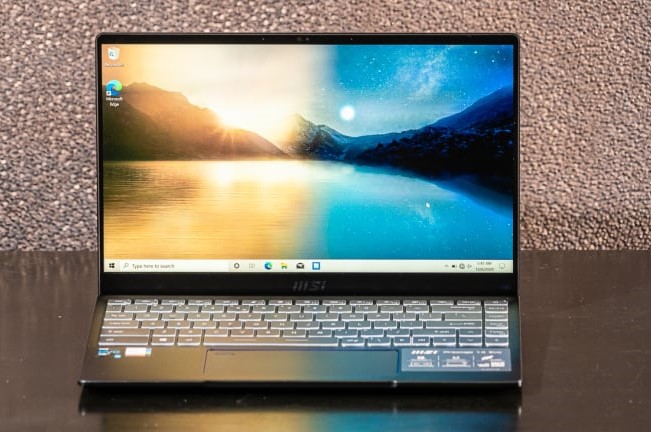 In terms of graphics performance as evaluated by the 3DMark and Superposition gaming simulations, the disparity between the two 11th Generation Core i7 processors is minimal. Both processors are equipped with identical Iris Xe integrated graphics architecture, featuring an equal number of graphics execution units.
It is not unexpected that the Core i7-10710U performs notably better in the graphics tests. The explanation is straightforward: MSI incorporated a discrete GPU, specifically the Nvidia GeForce GTX 1650, in the 2020 iteration of the Prestige 14, which greatly enhances gaming performance compared to an integrated graphics option. While the Iris Xe graphics processor is relatively sophisticated, it falls short when compared to even a basic gaming GPU such as the GTX 1650.
Naturally, the dedicated GPU in the 2020 model of the Prestige 14 will consume a portion of the thermal budget designated for the internal components of the laptop's chassis, which means our three-way comparison is not entirely untainted. However, it is quite revealing that there were instances when the six cores did not surpass the performance of the four cores.
In terms of graphics performance as evaluated by the 3DMark and Superposition gaming simulations, the disparity between the two 11th Generation Core i7 processors is minimal. Both processors are equipped with identical Iris Xe integrated graphics architecture, featuring an equal number of graphics execution units.
It is not unexpected that the Core i7-10710U performs notably better in the graphics tests. The explanation is straightforward: MSI incorporated a discrete GPU, specifically the Nvidia GeForce GTX 1650, in the 2020 iteration of the Prestige 14, which greatly enhances gaming performance compared to an integrated graphics option. While the Iris Xe graphics processor is relatively sophisticated, it falls short when compared to even a basic gaming GPU such as the GTX 1650.
Naturally, the dedicated GPU in the 2020 model of the Prestige 14 will consume a portion of the thermal budget designated for the internal components of the laptop's chassis, which means our three-way comparison is not entirely untainted. However, it is quite revealing that there were instances when the six cores did not surpass the performance of the four cores.





